GNC Disturbance Torque Calculation The first role I had at Trans Astra the second summer was developing the disturbance torque calculation python module for the Worker Bee spacecraft. Since the craft was in its early design stages sizing for actuation systems such as the reaction wheels and torque rods was not yet done. I went ahead and developed the expected torque modules from orbital data to accummulate our worst case values to allow for proper sizing of the rods and wheels. Worst case values were extracted and the suppliers were identified and contacted for quotes.
Trans Astronautica Corp, Internship 2: Summer 2022
GNC and Research Intern
During my second summer break in undergrad, I went ahead and returned to Trans Astra Corp for a second time. This time equipped with more knowledge, I worked under Rich Rieber focusing on GNC topics and R&D Development. I also worked on vaccuum line plumbing, cooling line plumbing, and many other things that I wont be mentioning here. After returning to Trans Astra, the location of the facility had significantly changed, and the level and scale of work was largely different. It was very interesting to see the growth of a small scale startup into a larger aerospace company.
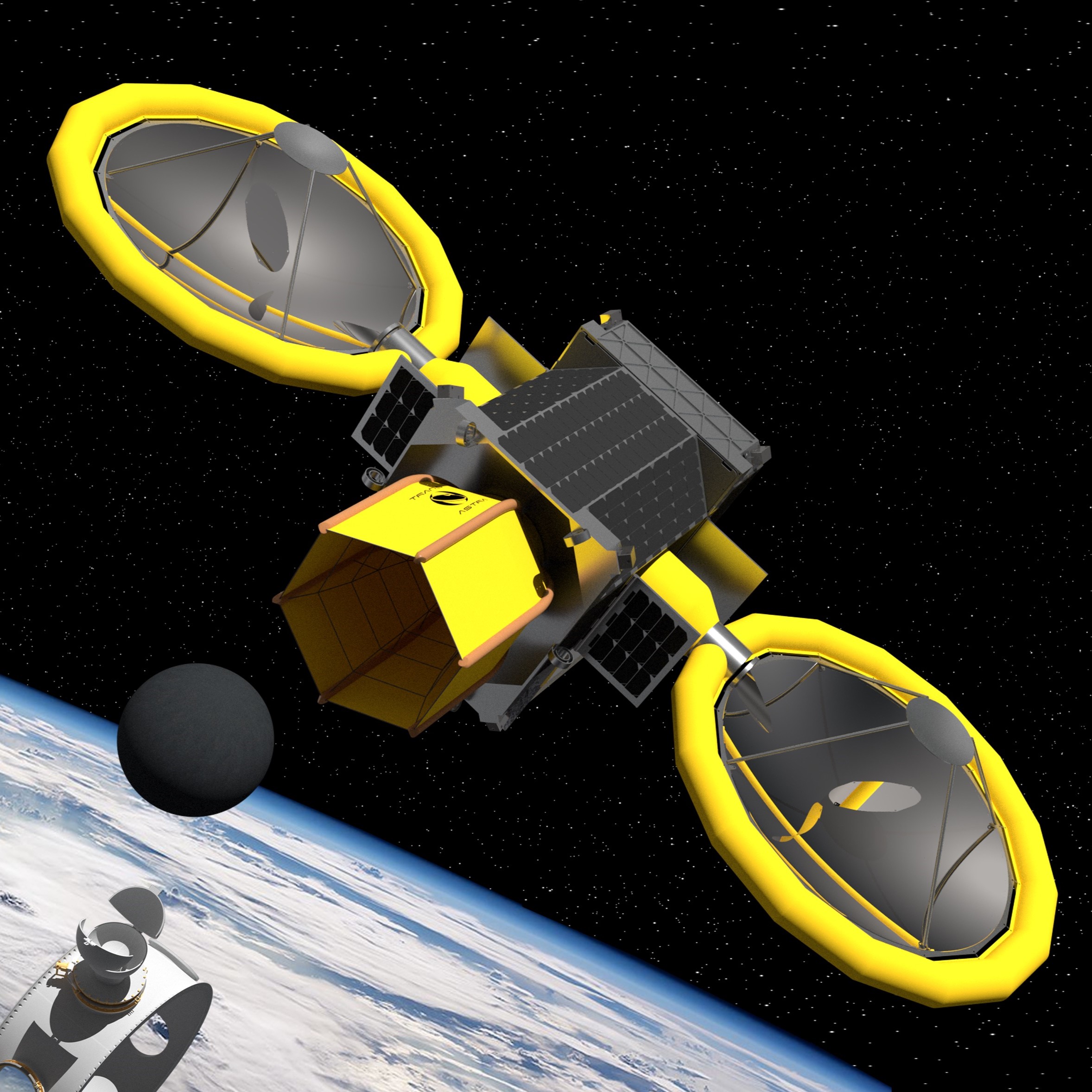
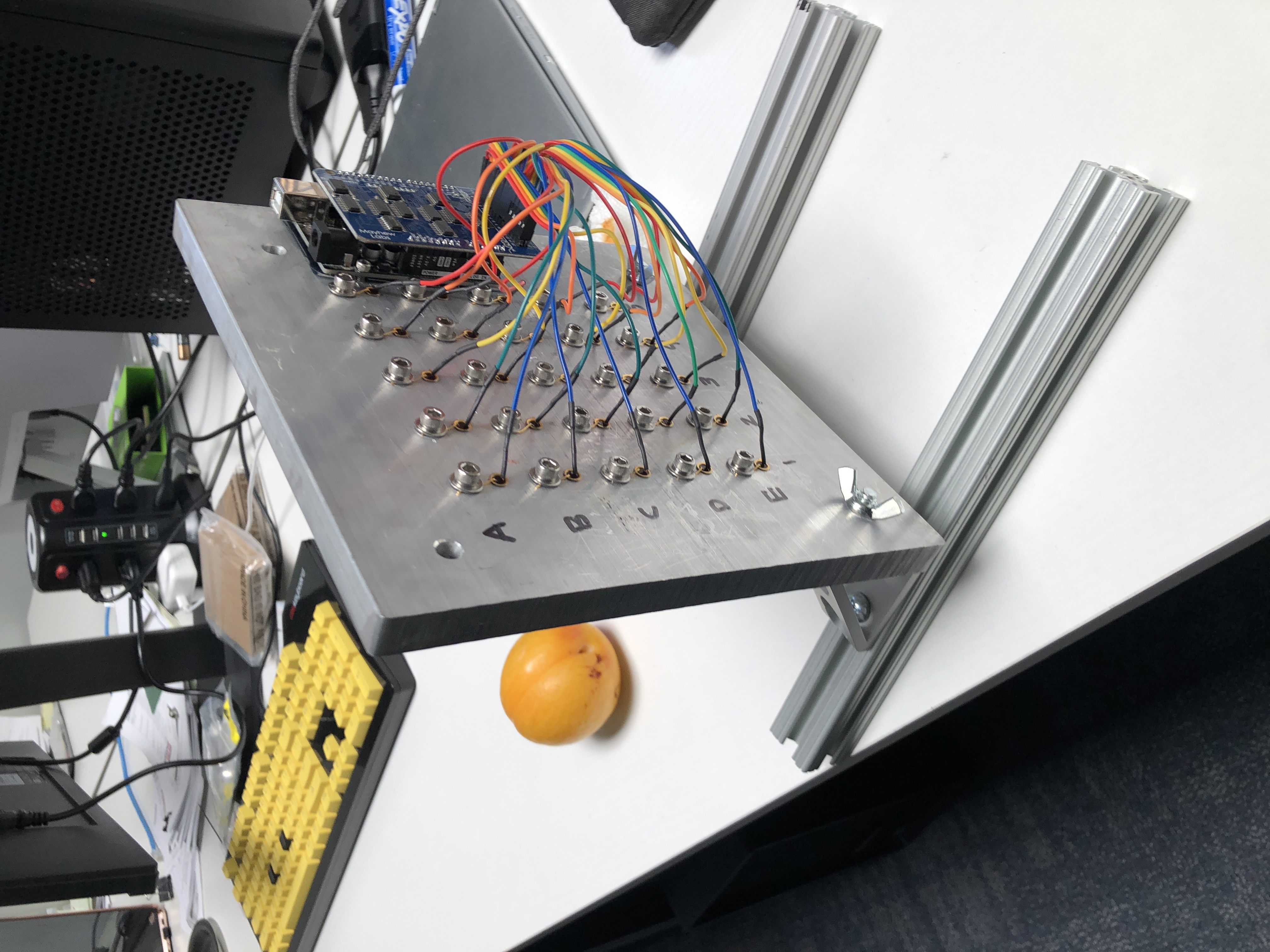
Optical Embedded Sensor Array One of the technologies theorized for the worker bee and the entire line of Trans Astra spacecraft was the use of embedded optical sensors in the mirrors for aligning and finding the centroid of a beam of sunlight. Although the idea was thought through, the implementation had not been done. I went ahead and spearheaded the effort of designing building and testing the first system. As can be seen on the right, the system is a series of optical sensors embedded into a mirror or plate. The sensors transmit an analog voltage value, that is proportional to the amount of light incident on the sensor. This data gets fed into a muxing board on top of an arduino uno that then gets converted into a digital value for processing.
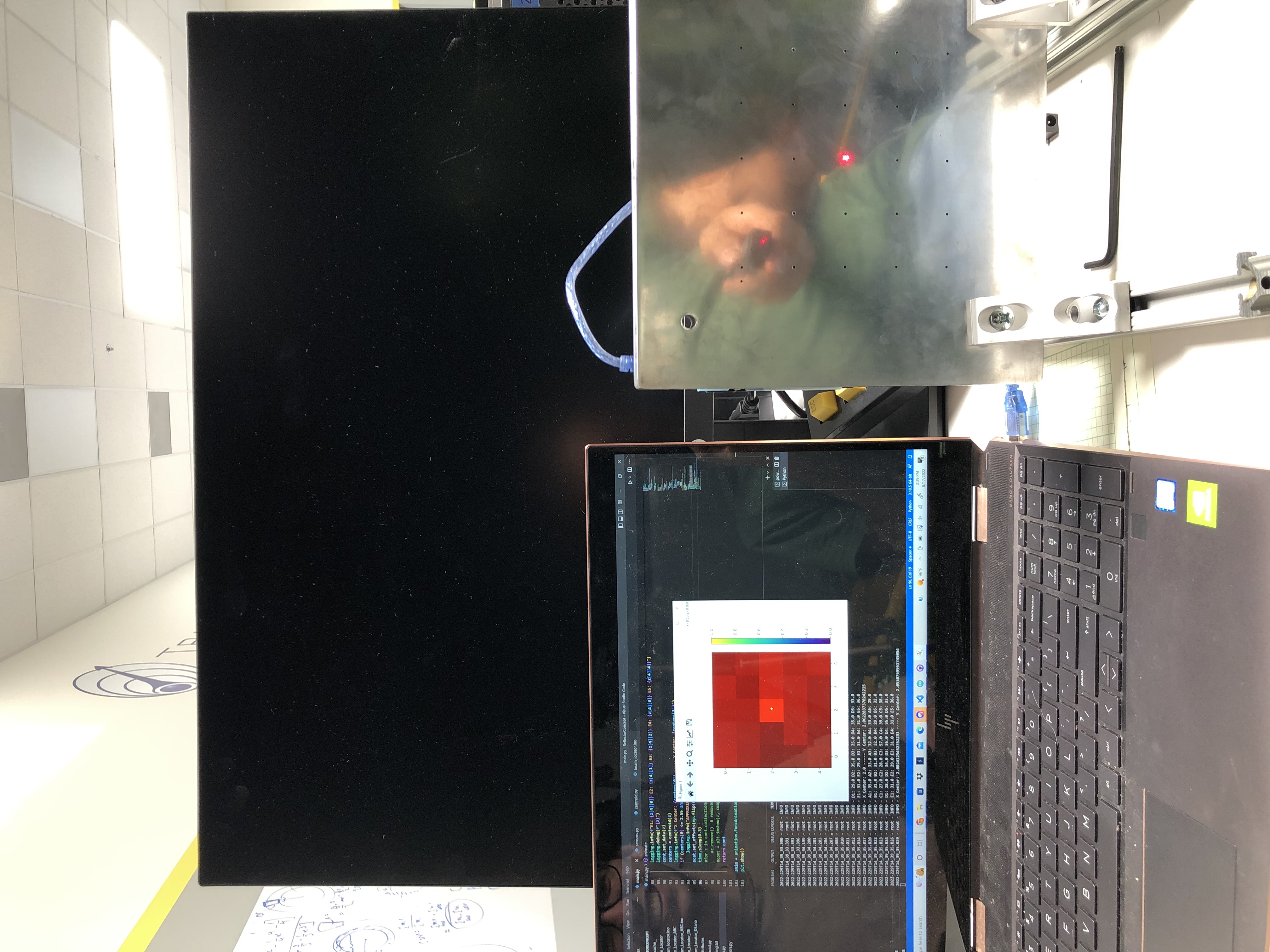
TestingThe front of the mirror's surface uses a series of pinholes to direct the light into the sensor mounted on the rear. As seen on the lefT the intensity of the light can be seen to be the highest in the center.
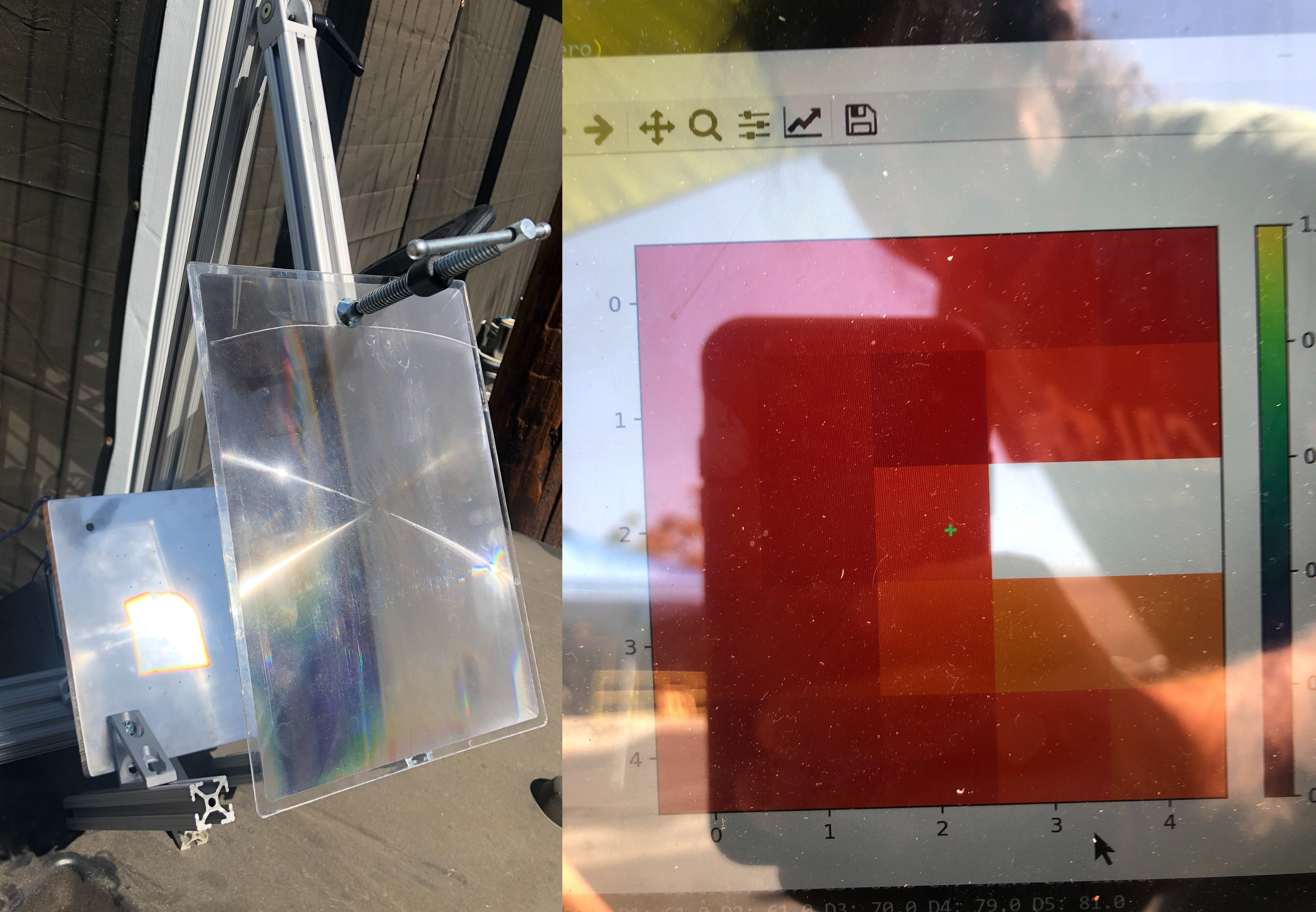
TestingHere is another example using a fresnell lens to focus sunlight onto the array as is expeced in nominal operation.
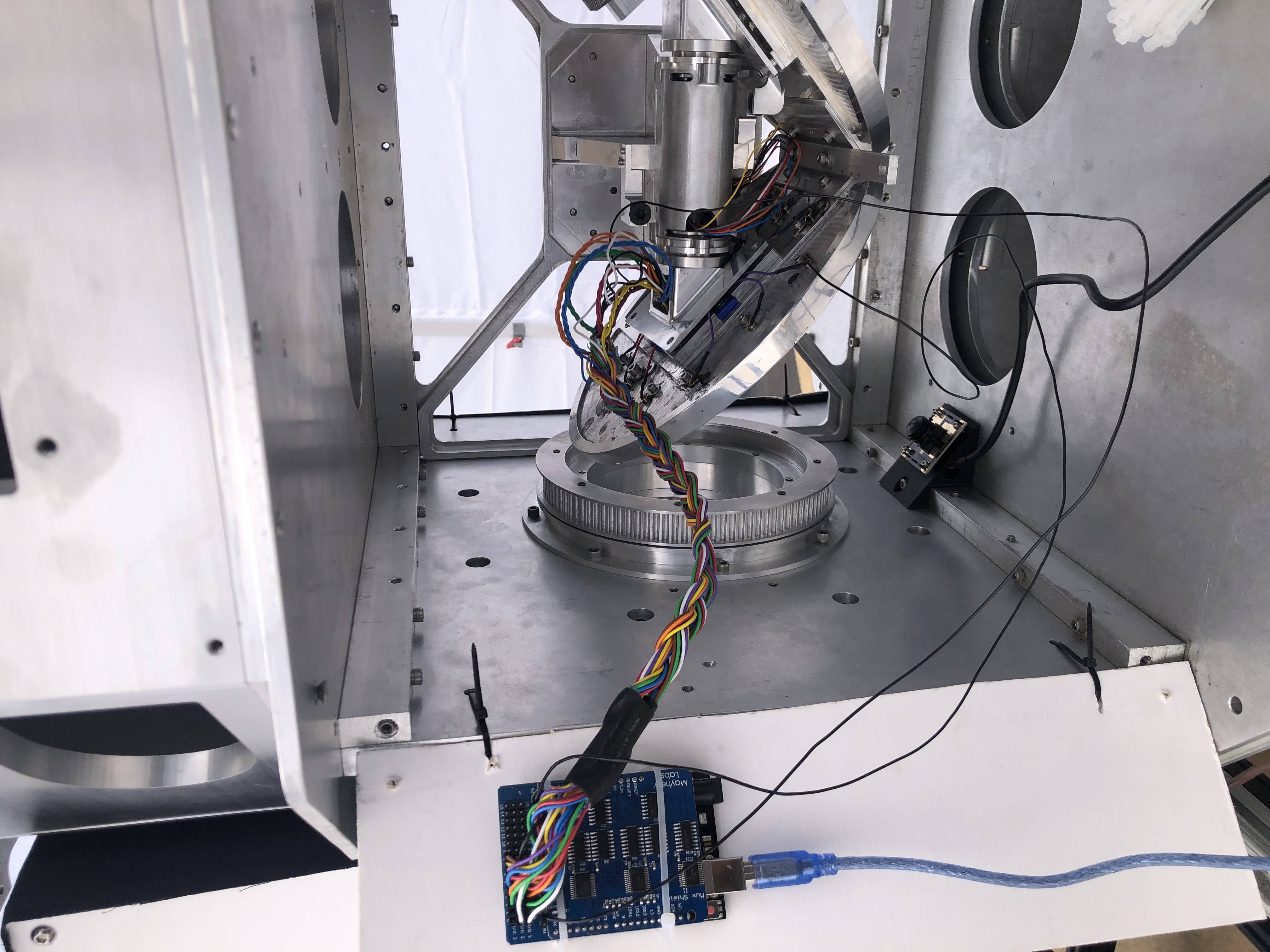
System Integration and Testing The testing and integration of the system was the final task. Since the ideal position of the sensors on the back
of the oval mirror was not exactly known, with the help of a colleague we designed a Monte Carlo Simulation to identify the optimal position and array density of the sensors.
In addition to this, I went ahead and designed a mirror mounted PCB board to replace the extensive wiring required for the system.
The image as shown on the left illustrates the integration of the system into the custom convex mirror sitting inside the spacecraft housing with its harness that goes out to the Arduino Uno.
The work itself was eventually patented through the company, and myself as well as a couple of the interns who worked on the software end were credited for its development!
Overall, my experience in the second year of trans astra was excellent. Going back to the same company after an entire year was a great experience as I was able to see the growth of the small stage startup. Not only did I learn a lot about real world GNC implementation and R&D, but I also gained valuable insights into the challenges and intricacies of working in a fast-paced, innovative environment like a startup. The experience has been crucial in inspiring me to pursue my own startup in the future!